
“No, Your Social Networking ‘Friend’ Isn’t Really in Trouble Overseas” — That’s the title of a press release put out yesterday by the Federal Bureau of Investigation.
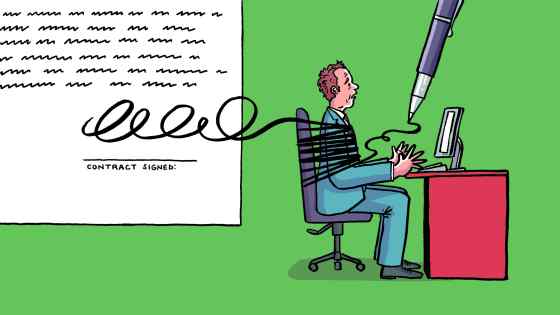
The release was a warning to users of social networking sites, encouraging them to be sceptical of suspicious requests, even if they look like they are coming from friends. In a recent popular scam, fraudsters have been infiltrating accounts, announcing they are in trouble overseas, and asking their friends for money.
The FBI said it was prompted by what it called “an increase in the number of hijacked social networking accounts”. Since 2006, more than 3,200 cases have been reported to the Internet Crime Complaint Center.
As social networks such as Facebook and Twitter continue to grow in popularity, they are increasingly becoming the target of attacks by scammers, spammers and hackers.
Just this week Facebook was the victim of an automated attack that was spreading malware. In August, Twitter was taken down by a political activist. All year, phishing scams have hit social sites, prompting companies such as Facebook to get more proactive about discouraging spammy behaviour.
The FBI has advice for keeping out the bad guys. It suggests users adjust their privacy settings, be selective when adding friends, and “limit access to your profile to only those contacts you trust with your personal information”.
That’s sound advice, but not the kind of thing Facebook wants to hear as it encourages users to make all their information more public.

Back to Tech Blog homepage
David Gelles, Joseph Menn, Chris Nuttall and Richard Waters in the FT's San Francisco bureau upload their views - plus tech insights from writers in New York, London and Tokyo
Richard Waters
Chris Nuttall
David Gelles
Maija Palmer
Joseph Menn
Robin Kwong
Tim Bradshaw
The latest gadgets and gizmos, reviewed by Jonathan Margolis in How To Spend It.
Paul Taylor, the FT’s personal technology expert, answers your gadgetry questions