
Cutting the gas, again

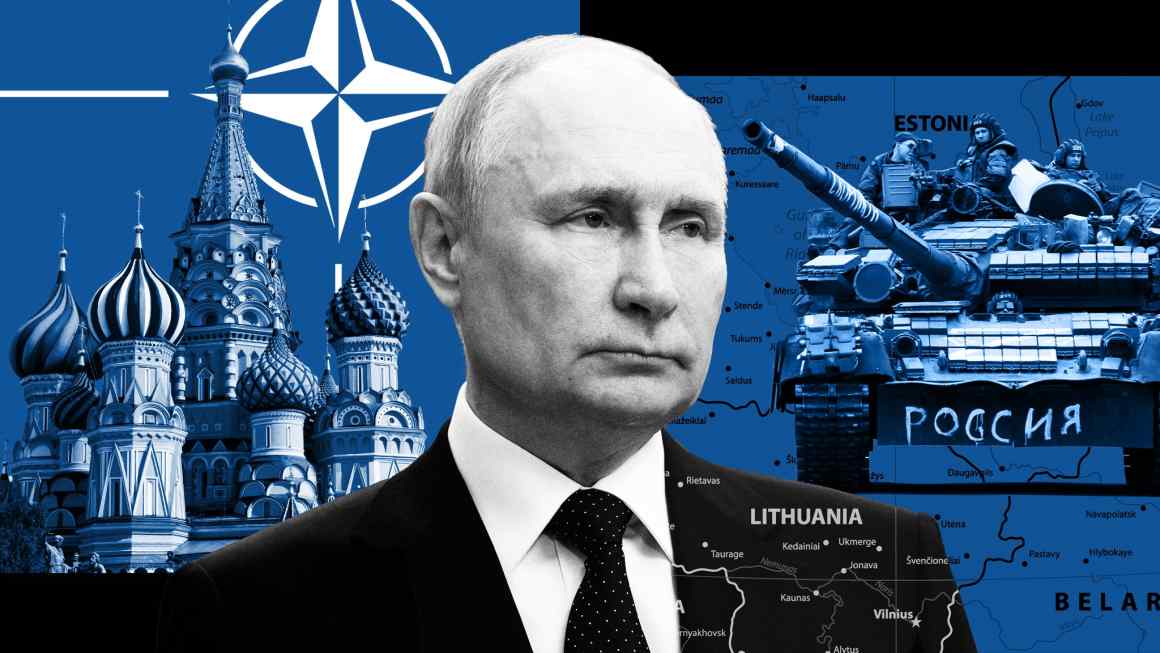
The newspaper headlines in London proclaim that the temperature will drop to -10, and that Russia has just cut the gas supply to western Europe – again. And yet the reaction here, seems rather less alarmed than the first time this happened back in 2006.

Why? For three reasons, I think. First, bad news is always slightly less shocking, the second time around. Second, there is now more of a sense that this is a genuine economic dispute, as much as a Russian power-play. There are real arguments to be had about Ukrainian debts to Gazprom, and the price Ukraine pays for its gas.

But the most important reason is that Europe is actually rather less in thrall to Russian gas than we first thought. In Britain, just 3% of our energy needs are met by Russian gas. Pierre Noel of Cambridge University summarised the situation rather neatly in a recent paper  for the European Council on Foreign Relations called “Beyond Dependence: How to Deal with Russian Gas”.

As Noel points out: “Russian gas accounts for just 6.5% of the EU’s total primary energy supply, a share that has barely changed since 1990. Russia’s market share of EU gas imports has been halved since 1980, from 80% to just over 40%. Contrary to popular perception, overdependence on Russia is not a pressing issue for Europe as a whole.”

But the last phrase is the key one – “as a whole”. We are fine in Britain (I hope that is not famous last words). But they are in real trouble in places like Slovakia, Bulgaria and Turkey. And crucially, one of the country’s that is a very big consumer of Russian gas is Germany – so the cut-off still has the potential to cause uproar in Europe.

Still, Noel has an interesting proposal. His argument is that “the most effective way for the EU to counter Russian attempts to divide member states is to restructure its internal gas market, making it much more difficult for Russia to advance its political interests.” This would essentially allow the countries with genuinely diversified gas supplies to help out the ones that are dependent on Russia, much more easily.

The World

with Gideon Rachman

About this blog About Gideon Blog guide
Gideon Rachman and his FT colleagues debate international affairs.

Gideon became chief foreign affairs columnist for the Financial Times in July 2006. He joined the FT after a 15-year career at The Economist, which included spells as a foreign correspondent in Brussels, Washington and Bangkok. He also edited The Economist’s business and Asia sections.

His particular interests include American foreign policy, the European Union and globalisation
To comment, please register for free with FT.com and read our policy on submitting comments.

All posts are published in UK time.

Contact gideon.rachman@ft.com about The World blog.

See the full list of FT blogs.

The FT’s Brussels blog

For views and opinions on the European Union from Peter Spiegel, Joshua Chaffin, Alex Barker and Stanley Pignal, follow the FT's Brussels blog here.

Tags

2012 US presidential election arab spring Argentina austerity Bahrain bailout Berlusconi chile China Cuba David Cameron Davos drugs ECB EFSF Egypt EU Europe European Commission Eurozone Eurozone crisis France Fukushima Gaddafi Germany Greece IMF Iran Italy Japan Klaus Schwab Libya Live blog Merkel Middle East protests Obama Papandreou Rick Perry Romney Sarkozy Syria Tahrir square US election WEF World Economic Forum

The blog day by day

« Dec Feb »January 2009
M T W T F S S
 1234
567891011
12131415161718
19202122232425
262728293031