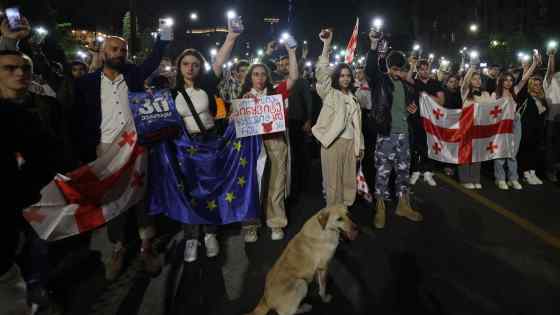

What does it take to make a successful revolution? That question is clearly weighing on the mind of Ayatollah Ali Khamenei. In his long rant at last Friday’s prayers at Tehran university, Iran’s supreme leader accused foreign governments of trying to foment a revolt in his country. He claims that foreigners are using the uprisings in the former Soviet Union as a model. “They are comparing the Islamic Republic with Georgia,” he complained.
Mr Khamenei is right about one thing. The comparison between events in Iran and the “colour revolutions” in the former USSR is certainly suggestive. Andrew Miller, a journalist at The Economist who witnessed the colour revolutions in Ukraine, Georgia and Kyrgyzstan has come up with a useful “checklist” of some of the factors that can help a revolution to succeed .
● “Critical mass”: small demonstrations of 5,000 people can be ignored or suppressed. But half a million people in the streets is another matter.
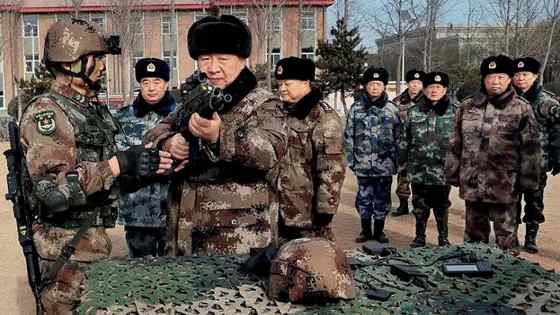
● Weak or divided security services.
● Some independent media.
● Money.
● Serious corruption, which Mr Miller argues is “generally the main mass motivator”.
● Opposition leaders who have served a stint in government.
● A history of rebellion from which lessons can be learnt.
● Strong support in the capital city.
● A rigged election that provides a spark for the revolt.
The remainder of the article can be read here. Please post comments below.


For views and opinions on the European Union from Peter Spiegel, Joshua Chaffin, Alex Barker and Stanley Pignal, follow the