

Twitter versus the Iranian regime

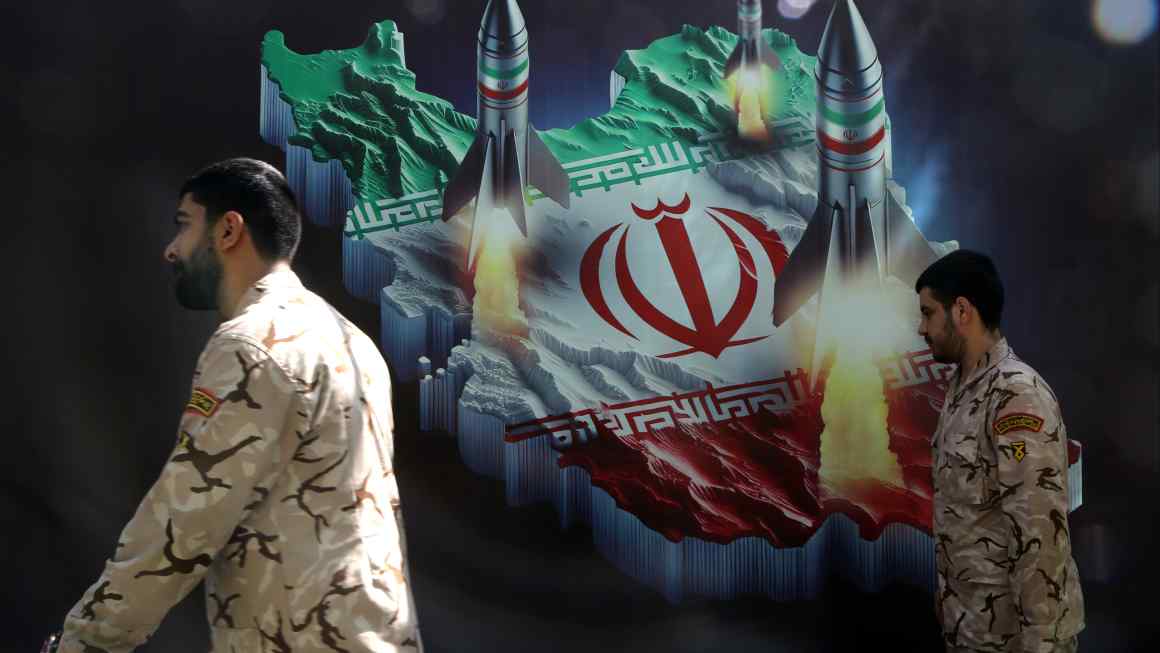
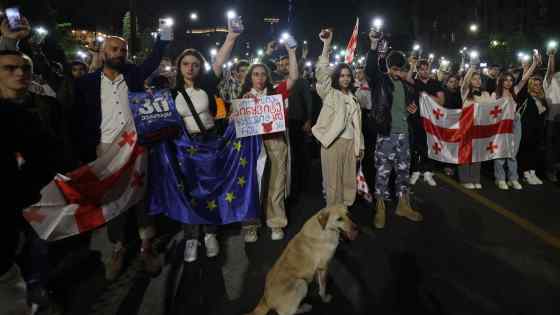
I have always found the idea that new media would somehow kill off old dictatorships unconvincing. The Chinese government seems to have coped perfectly well with the rise of the internet. Still, events in Iran have given a new lease of life to this theory. The use that the Iranian opposition has made of social networking sites and, in particular of Twitter, has excited lots of interest. Yesterday the State Department even asked Twitter to delay an update of its service, so as not to disrupt the role the micro-blogging service is playing in allowing the Iranian opposition to communicate with each other. (Note for my mother, you can post tiny little updates onto a twitter site, instantly, using a computer or your mobile phone – provided the “tweet” is no more than 140 characters long.) Some people have now predictably dubbed this the “Twitter revolution”.

Certainly, some of the tweets coming out of Iran make exciting reading. Andrew Sullivan has pulled together some of the best twitter feeds. And here are a few other popular ones that give you an idea of what information is coming out. Tehran Bureau, an interesting site that pulls together reporting from Iran, also has its own twitter feed.

Still, while I think Twitter gives a good sense of the atmosphere in Iran I cannot say that I felt espescially enlightened after reading all these tweets. The first and most obvious problem is that I don’t know who any of these people are – so it’s very difficult to gauge the accuracy of what they are reporting. Second, there is a limit to how much information you can convey in the requisite 140 characters – and, as for context or analysis, forget about it. I have found good reporting and opinion pieces and even the comments on my blog, rather more illuminating. Hearteningly, I do not seem to be alone in my scepticism about the Iran Twitter phenomenon, as this post from Dan Drezner illustrates.

Still, if readers want to direct me towards good blogs or sites or even tweets – or any other useful reading matter on events in Iran, please do.

The World

with Gideon Rachman

About this blog About Gideon Blog guide
Gideon Rachman and his FT colleagues debate international affairs.

Gideon became chief foreign affairs columnist for the Financial Times in July 2006. He joined the FT after a 15-year career at The Economist, which included spells as a foreign correspondent in Brussels, Washington and Bangkok. He also edited The Economist’s business and Asia sections.

His particular interests include American foreign policy, the European Union and globalisation
To comment, please register for free with FT.com and read our policy on submitting comments.

All posts are published in UK time.

Contact gideon.rachman@ft.com about The World blog.

See the full list of FT blogs.

The FT’s Brussels blog

For views and opinions on the European Union from Peter Spiegel, Joshua Chaffin, Alex Barker and Stanley Pignal, follow the FT's Brussels blog here.

Tags

2012 US presidential election arab spring Argentina austerity Bahrain bailout Berlusconi chile China Cuba David Cameron Davos drugs ECB EFSF Egypt EU Europe European Commission Eurozone Eurozone crisis France Fukushima Gaddafi Germany Greece IMF Iran Italy Japan Klaus Schwab Libya Live blog Merkel Middle East protests Obama Papandreou Rick Perry Romney Sarkozy Syria Tahrir square US election WEF World Economic Forum

The blog day by day

« May Jul »June 2009
M T W T F S S
1234567
891011121314
15161718192021
22232425262728
2930