


By James Blitz, defence and diplomatic editor
Something remarkable has happened in the international negotiations with Iran over its nuclear programme. It is this.
For the past five years, Iran has often looked like a sharp and canny player of the diplomatic game, regularly dividing the US and Russia with its tactics, cleverly making concessions to negotiators in order to buy time, frequently rattling its opponents. Iranian diplomats have often seemed to me to be the sort of people you wouldn’t want to play chess with. They are master tacticians, who know full well how to confuse their adversaries.
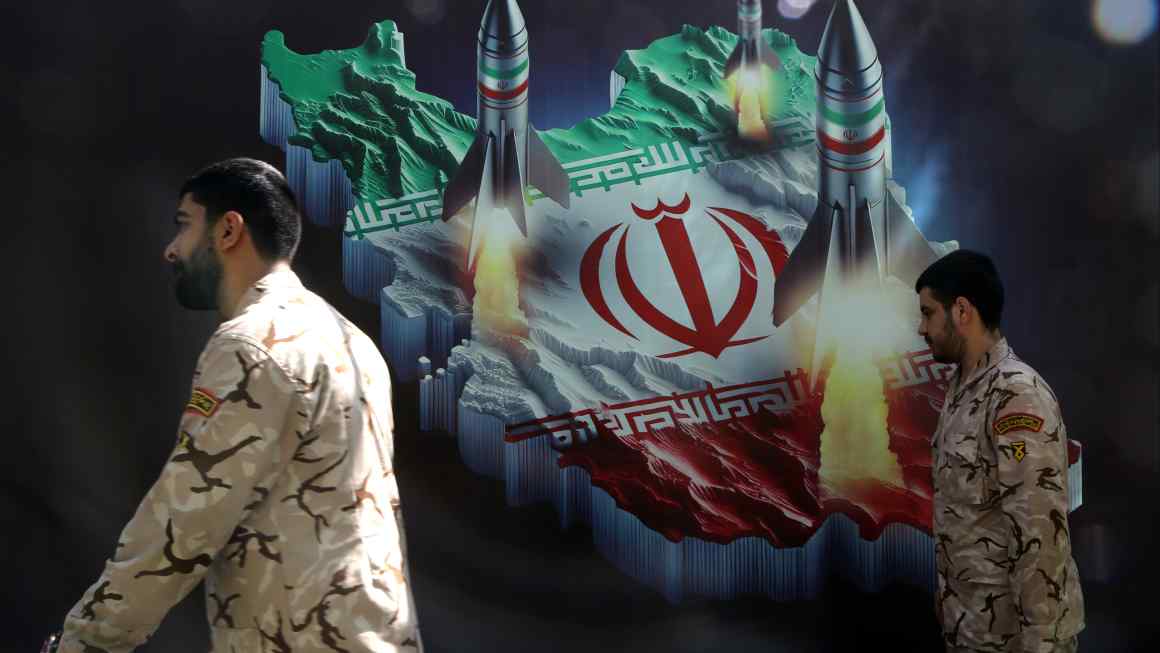
Suddenly, all that has changed. Far from looking like canny players of the diplomatic chess game, Iran has now played itself into a corner. All the big powers -Russia and China included -have united to insist Iran closes down its second secret enrichment plant. The director-general of the International Atomic Energy Agency, so often a conciliator of Tehran in the past, has said talks with Iran over its nuclear programme are “at a dead end.”
Above all, Iran’s cool and patient diplomacy has given way to frustration. Its outburst at the weekend- with the claim that Iran will now build 10 uranium enrichment plants – is preposterous. The idea that Iran has the economic wherewithal to do such a thing is absurd. In short, where once we saw a cool, tactical brain, we are now seeing petulant outbursts.
The question is what impact this change will have on Russia – above all on the whether Russia will back a new raft of sanctions on Iran at the United Nations Security Council. For years, Russia has given Iran the benefit of the doubt, suggesting it is further away from acquiring a bomb than many think, and that sanctions won’t work anyway.
Yet Russia’s regular habit of siding with Iran may now be turning into something of an embarrassment for Moscow. Consider the events of the past few months. In September, President Medvedev was informed by Barack Obama about the existence of a secret enrichment plant at Qom, something that Russian intelligence knew nothing about. That was embarrassing for Moscow. Then, in October, Russia rushed to sign an international plan to ship enriched uranium out of Iran – only to have Tehran effectively rejecting it within hours of a draft deal being approved. Again a setback for Moscow.
Now, after a year of genuine outreach by the US to Iran, the Iranians seem to have ditched the idea of negotiating on their nuclear programme altogether.
International talks on Iran’s nuclear policy are going nowhere. Where this leaves Kremlin policy on sanctions is now the big question in the story.
Related reading:
Washington can give an Israeli attack on Iran the red light – Huffington Post
Iran’s soft war – Foreign Policy
Nuclear quagmire with Iran – Council on Foreign Relations


For views and opinions on the European Union from Peter Spiegel, Joshua Chaffin, Alex Barker and Stanley Pignal, follow the