
By James Blitz, defence and diplomatic editor
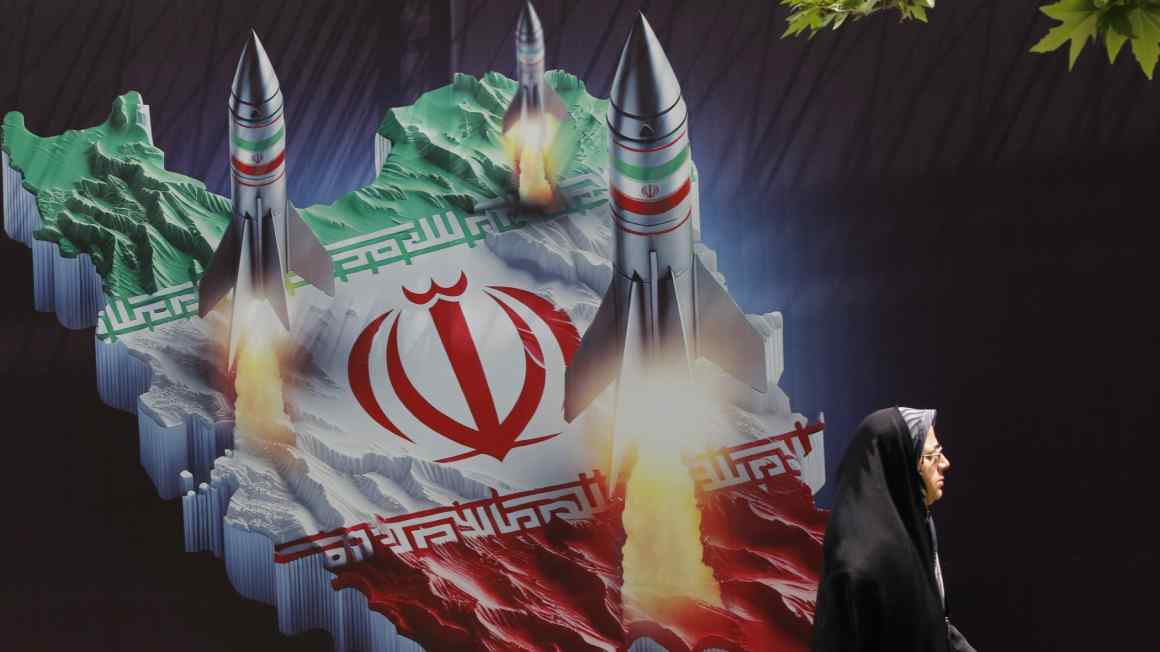
Iran has this week made two announcements about its nuclear programme that made big headlines. The first is that it wants to build 10 new enrichment plants like the one that operates at Natanz. The second is that it wants to begin manufacturing low enriched uranium to 20 per cent purity that can be used in cancer treatments. The first of these claims is being dismissed by western diplomats as a fanciful goal that Iran could never seriously achieve. The second claim, however, is causing a lot of concern in western capitals. It raises fears that Iran is about to take a big step towards the manufacture of the weapons grade uranium needed for a nuclear bomb.
The reason for western concern is this: Iran currently takes uranium hexafluoride gas, enriched to 0.7 per cent purity, and converts it to around 4 per cent, the level needed for nuclear reactor fuel. If Iran jumps from 4 per cent to an enrichment level of 20 per cent, it would still, on the face of it, appear to be well below the level needed to manufacture weapons grade uranium, which is of 90 per cent purity. However, Mark Fitzpatrick, a nuclear weapons expert at the International Institute for Strategic Studies, says that the move to 20 per cent is, in fact, “a very worrying one.”
Mr Fitzpatrick explains: “A jump to 20 per cent actually puts you on the verge of getting weapons grade uranium,” he says. “This is because the higher up the uranium enrichment level you go, the less technical effort is needed to make the additional incremental steps to get to 90 per cent.” A western diplomat who follows the Iran nuclear file agrees. “The jump from 0.7 per cent to 4 per cent,” he says, “is much more difficult in technical terms than the jump from 4 per cent to 20 per cent, which itself is more difficult than the jump from 20 per cent to 90 per cent.”
According to this western diplomat, Iran is capable of manufacturing low enriched uranium at 20 per cent purity “within a matter of months.” All they need to do, he says, is reconfigure their centrifuges at Natanz. The idea however that Iran can use 20 per cent enriched uranium to create cancer cures, as it claims, is dismissed by Mr Fitzpatrick. Iran cannot, by itself, convert 20 per cent enriched uranium into fuel with the correct specifications for the reactor it has. “If they tried to make their own fuel it would not be safe to put it in that reactor,” he says.
Mr Fitzpatrick is in no doubt about the significance of the announcement. He judges it to be “one of the most serious and worrying statements Iran has made in recent times.” Coming in the immediate aftermath of Iran’s wild claims about building 10 new enrichment plants, its true importance may have been obscured.
Related reading:
Iran is just asking for sanctions FP Passport
What to read on nuclear proliferation Foreign Affairs


For views and opinions on the European Union from Peter Spiegel, Joshua Chaffin, Alex Barker and Stanley Pignal, follow the