I spent the morning at the International Institute of Strategic Studies, for the launch of their annual report on the global military balance. I found the briefing really fascinating, which could be a dangerous sign that I am now on the official register of “international affairs bores” and should be forced into early retirement.
The briefing offered by the IISS experts ranged fascinatingly over a variety of topics from the Iranian nuclear programme, to Russia’s new military doctrine and the links (or lack of them) between al-Qaeda and Iran.
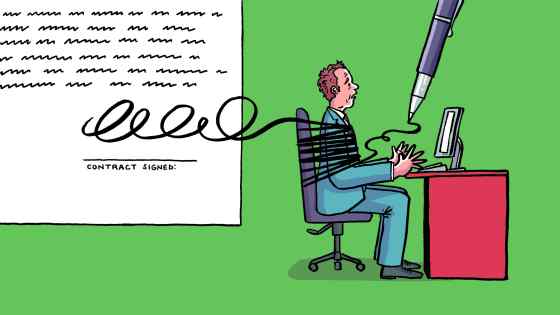
But the thing I found most interesting was the confirmation that cyber-security is the hot issue of the day. John Chipman, the head of the IISS, says the institute is about to launch a special study of cyber-security which raises all sorts of fascinating issues about hard power, about the responsibilities of states and about international law. What if a country’s infrastructure could be destroyed as effectively by a cyber-attack, as by an invasion of tanks? How do you defend against that? How do you identify the culprits? And what does international law have to say about the issue – might we have to revise our definitions of what constitutes an act of war? Chipman argues, plausibly, that we are now at an equivalent period to the early 1950s. Just as strategists had to devise whole new doctrines to cope with the nuclear age, so they willl have to come up with new ideas to cope with the information age.


For views and opinions on the European Union from Peter Spiegel, Joshua Chaffin, Alex Barker and Stanley Pignal, follow the