It’s strange to recall that – just a decade ago – the World Trade Organisation was a deeply controversial organisation. It was the WTO that was fingered by the anti-globalisation movement as the handmaiden of ruthless western capitalism and oppressor-in-chief of the poor. The WTO summit in Seattle in 1999 degenerated into a street riot.
On Wednesday morning, however, the WTO staged a public forum in Geneva, without the need for riot police – and indeed without much public fuss at all. I chaired the opening session at the organisation’s modest headquarters on the banks of Lac Leman.
I think that one of the main reasons why the WTO is no longer in the line of fire is that the change in the pattern of world trade over the last decade – combined with a slump in the West and a boom in China and India – makes the idea that global free trade is a tool of western domination look increasingly absurd. The world has got a lot more complicated than that; and even the anti-globalisation movement has had to acknowledge that complexity, if only tacitly. These days, it is the developing nations that are pressing for completion of the Doha Round and the rich countries that are dragging their feet.
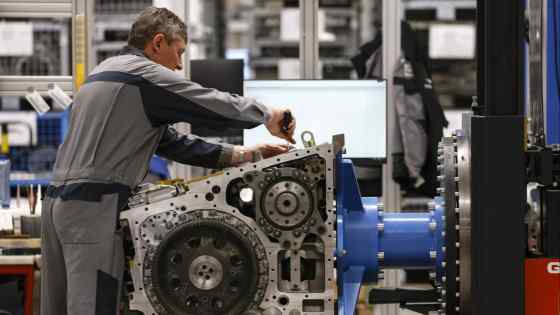
Just before setting off for the WTO, I watched a TV report featuring an unemployed American worker, who lamented that everything he buys in the shops seems to be labelled “made in China”. This labelling issue is exercising the WTO. In his opening speech, Pascal Lamy, the organisation’s director-general, argued that global supply chains means that for many goods, a simple country-of-origin label is misleading. “Made in the world” would be a more accurate description. For example an I-pod might say “Made in China”, but it will contain components from Japan and intellectual property from the US – and money will flow to both countries. But conveying those complexities is tricky, as Congress debates slapping tariffs on Chinese goods.
Another issue that is increasingly worrying the WTO is export controls. The organisation has lots of rules to combat tariffs on imports. But the rules on export prohibitions are less developed. However, they are increasingly common, and turning into a major threat to world trade. The most publicised recent example is the Russian ban on grain exports, following a disastrous harvest. But there are others. Last week, India banned cotton exports – the global cotton price is rising and local garment producers are suffering. Hence the ban – which can only contribute to global inflation.


For views and opinions on the European Union from Peter Spiegel, Joshua Chaffin, Alex Barker and Stanley Pignal, follow the