WikiLeaks: not so dull, after all

In previous posts, I dismissed WikiLeaks as not such a big deal. Well, that was obviously wrong. I argued that everybody already knew that – for example – Nicolas Sarkozy is vain or Russia is a brutal and corrupt place, so the cables did not add much to the sum of human knowledge.

But that was wrong on two counts. First, there is a difference between an idea being conventional wisdom in the media, and spelled out in a diplomatic cable – both in terms of authority and in terms of political impact. You can see that in the angry reactions to the leaks from everybody from Recep Tayyip Erdogan of Turkey to Kevin Rudd, the foreign minister of Australia. (Apparently Rudd is a “mistake-prone control freak”.) Second, with the arrest of Julian Assange on dubious-sounding sexual assault charges – and now the attack on Mastercard’s web-site, apparently by Assange supporters, the whole thing is shaping up into an unpredictable conflict between western governments and internet-based anarchists.And, as more and more material is released, there are some genuine surprises emerging. The ones that particularly struck me, are, in no special order:

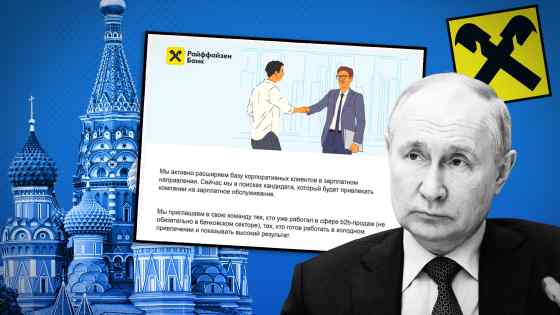
1. The sheer bleakness of America’s view of Russia - and this despite all the happy talk of improved relations and a “reset”. It is also interesting that the Americans seem to semi-endorse the popular theory that Putin is personally very wealthy, and even name the oil-trading company that could be being used as a siphon.

2. Hillary Clinton’s concern about America’s reliance on Chinese purchases of US Treasuries. In conversation with the aforesaid Rudd, she uses the line “how do you get tough with your banker?” As a candidate Hillary had used that line on the campaign trail. But, when I’ve quoted it back to American diplomats, they have tended to dismiss it as political hyperbole. So it’s interesting to read that this is still a concern for Hillary.

3. Suggestions that American troops have been embedded with Pakistani troops in the fight in the tribal areas. And confirmation that the US is carrying out drone strikes in Yemen.

4. The delicious confirmation that Britain’s Prince Andrew is, indeed, a complete oaf.

The World

with Gideon Rachman

About this blog About Gideon Blog guide
Gideon Rachman and his FT colleagues debate international affairs. Read more on the authors.

Gideon became chief foreign affairs columnist for the Financial Times in July 2006. He joined the FT after a 15-year career at The Economist, which included spells as a foreign correspondent in Brussels, Washington and Bangkok. He also edited The Economist’s business and Asia sections.

His particular interests include American foreign policy, the European Union and globalisation
To comment, please register for free with FT.com and read our policy on submitting comments.

All posts are published in UK time.

Contact gideon.rachman@ft.com about The World blog.

See the full list of FT blogs.

FT World News page

Read FT world news coverage from our network of international correspondents.

The FT’s Brussels blog

For views and opinions on the European Union from Peter Spiegel, Joshua Chaffin, Alex Barker and Stanley Pignal, follow the FT's Brussels blog here.

Tags

arab spring Argentina austerity bailout Barack Obama Berlusconi Bo Xilai Brussels China Colombia Cuba Davos ECB EFSF Egypt elections EU Europe European Commission Eurozone Eurozone crisis Fidel Castro France François Hollande Greece IMF In the Picture Iran Italy Klaus Schwab Live blog Merkel Mexico Nicolas Sarkozy Papademos Papandreou Putin Romney Sarkozy Spain Syria US election Venizelos WEF World Economic Forum

The blog day by day

« Nov Jan »December 2010
M T W T F S S
 12345
6789101112
13141516171819
20212223242526
2728293031