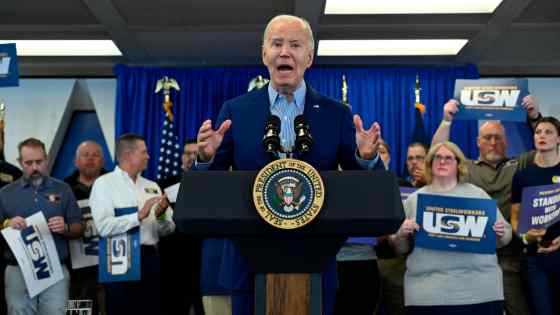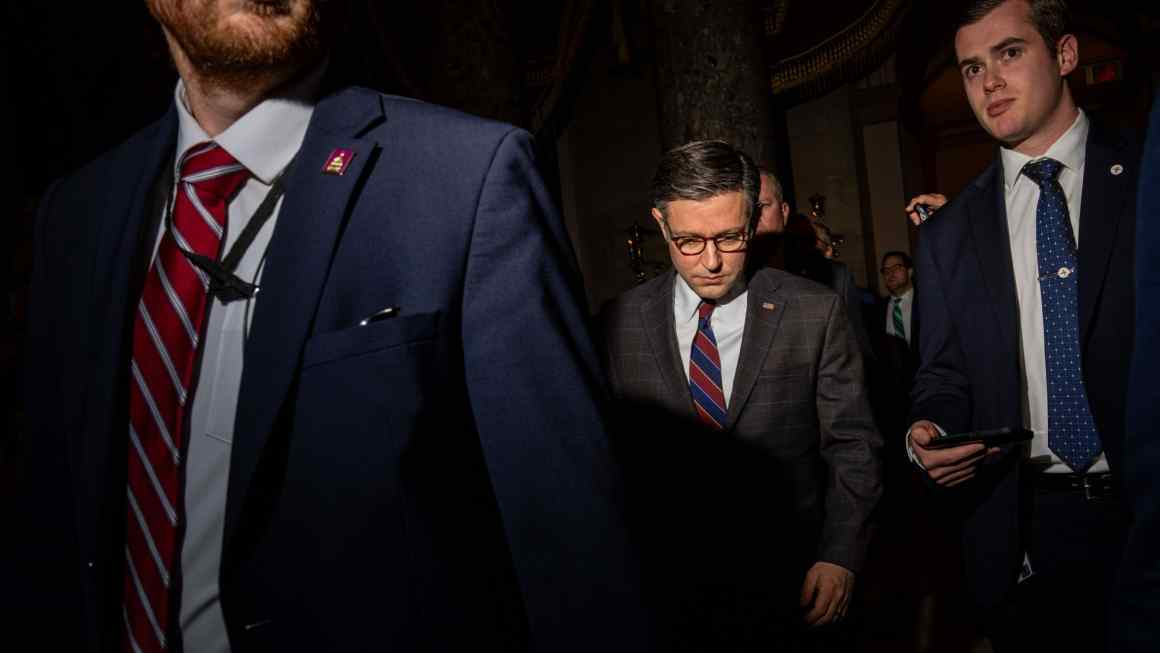

In the picture: Chuck Hagel’s nomination as US defence secretary

Controversy has swirled around the candidacy of Chuck Hagel as secretary of defence, centred on past comments the Republican former senator made about the “Jewish lobby” intimidating congress, sanctions and military action against Iran, and the Pentagon budget.

Amid the his nomination, there have also been an increasing number of opinion pieces in the US press dissecting what James Fallows in The Atlantic describes as a “de-legitimizing campaign” against the decorated Vietnam veteran.

  • Fallows uses a headline from the US satirical news website The Onion to suggest that the imminent nomination could be a “this is bullshit” (‘this’ being the campaign against Hagel) moment for President Barack Obama.
  • Commentary fiercely critical of the nomination has been published, among others, in the neo-con Weekly Standard, citing a top Republican Senate aide emailing: “Send us Hagel and we will make sure every American knows he is an anti-Semite.” In the Wall Street Journal, Brett Stephens also aired his disapproval at Hagel’s perceived prejudices against the Jewish community.
  • Taking a more measured approach, The Washington Post argued that Hagel was not right for the job, arguing his views “fall well to the left of those pursued by Mr. Obama during his first term — and place him near the fringe of the Senate that would be asked to confirm him”. The paper cited, among others, Hagel’s remarks in an FT interview last year.
  • In the FT, Geoff Dyer, analyses the criticism, writing that some of it probably stems from the “clear break” that Hagel made with parts of the Republican party, and reminds readers that he also has supporters. In his short profile of the controversial figure, Dyer explains Hagel’s “disilluionment” with the Republican party and his shift against the Iraq war.
  • Meanwhile, an editorial in the FT argues in favour of putting Hagel in the driving seat at the Pentagon, saying that he “would offer an injection of fresh thinking into the defence establishment”.
  • The contentious nature of his candidacy has laid the foundations for a fierce nomination battle once he is put forward, the FT writes.
  • The New Yorker had a sharp retort for Hagel’s “enemies”, arguing that while he had not been formally nominated he was not in a position to respond, citing Ellen Tauscher, formerly the undersecretary of state for arms control, as saying his treatment has been similar to “getting jumped in an alley”.
  • In Slate, Fred Kaplan, analyses the “real reason” for the Hagel hatred, pointing out that it is unlike Obama to “pick a fight for its own sake”. Kaplan goes on: “The real question is what kind of job Obama wants his next secretary of defence to do… judging from some of his actions and remarks on matters of national defense, Hagel seems to be the right choice. And that’s what disturbs the most outspoken Hagel-resisters.”
  • The New York Times’s 2006 magazine piece on Hagel has been unearthed and is doing the rounds again. It makes for fascinating reading, describing his growing distaste for the Iraq war as well as delving into his past. At one point, Joseph Lelyveld writes: “Chuck Hagel never became a dove, but he became a bird that’s nearly as rare in the Republican aviary. He became an internationalist, someone who’s capable of feeling intensely about alliances, multilateral endeavors, the value of global institutions; a fellow traveler of the Council on Foreign Relations, a politician who actually reads Foreign Affairs.”
  • In a piece Hagel wrote for the FT back in 2005 on US relations with China amid tension over the Asian nation’s ballooning exports, he concludes: “The US must also take positive steps to maintain its competitive position in the world. It also must get its own house in order. Raising trade barriers or compromising its core, free trade values will undermine America’s overall long-term interests. We must rein in US deficit spending, promote greater domestic savings, address the growing entitlement challenge, rehabilitate infrastructure, invest in education and establish immigration reform. That is how America can maintain pre-eminence in the 21st century, regardless of the rise of China or any other nation.”