Christine Lagarde

Alan Beattie

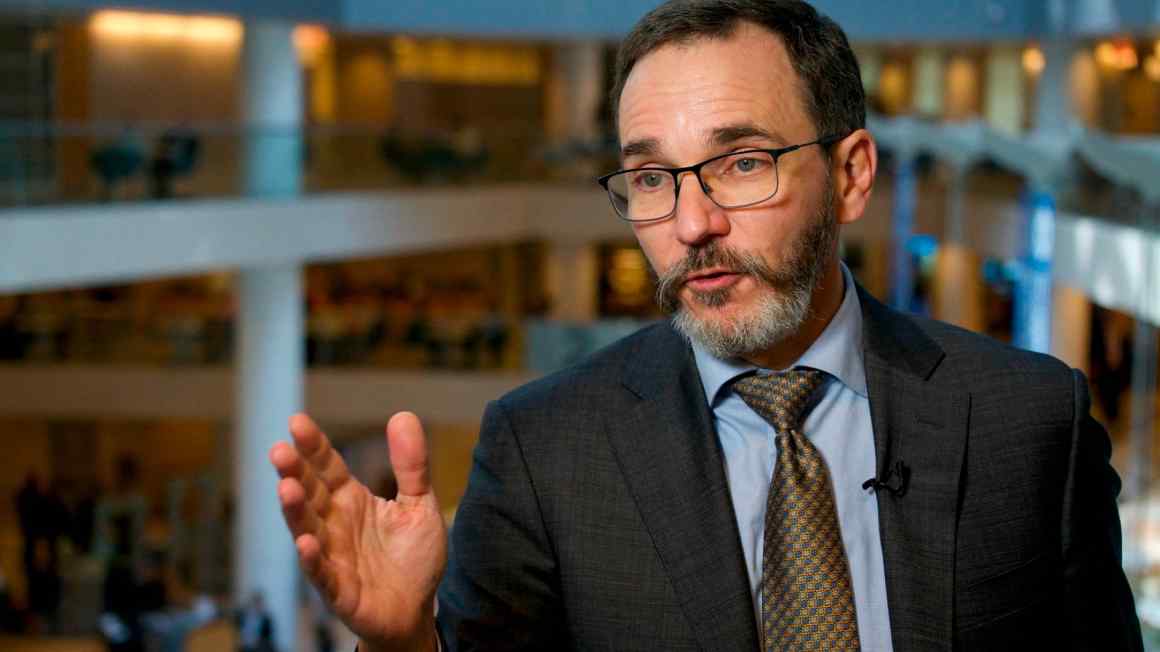
No word left minced in this fairly fierce resignation letter (obtained by CNN) sent by Peter Doyle, who is quitting the European department of the IMF after 20 years at the Fund, attacking particularly its role in the eurozone crisis.

The money quotes:

After twenty years of service, I am ashamed to have had any association with the Fund at all…

This is not solely because of the incompetence that was partly chronicled by the OIA [Office of Internal Audit and Inspection, though he may be referring to this document by a different watchdog body] report into the global crisis and the TSR [Triennial Surveillance Review] report on surveillance ahead of the Euro Area crisis. More so, it is because the substantive difficulties in these crises, as with others, were identified well in advance but were suppressed here…

Further, the proximate factors which produced these failings of IMF surveillance – analytical risk aversion, bilateral priority, and European bias  - are, if anything, becoming more deeply entrenched, notwithstanding  initiatives which purport to address them.

 Read more

Neil Buckley

Hillary Clinton and Latvian foreign minister Edgars Rinkevics on June 28 (Ilmars Znotins/AFP/GettyImages)

Hillary Clinton and Latvian foreign minister Edgars Rinkevics on June 28 (Ilmars Znotins / AFP/ GettyImages)

Visiting Latvia on Thursday, Hillary Clinton praised the Baltic state for taking “very difficult” austerity measures that would ensure a “stable, prosperous future”.

The US secretary of state is not the only high-profile figure praising Latvia’s economic record.

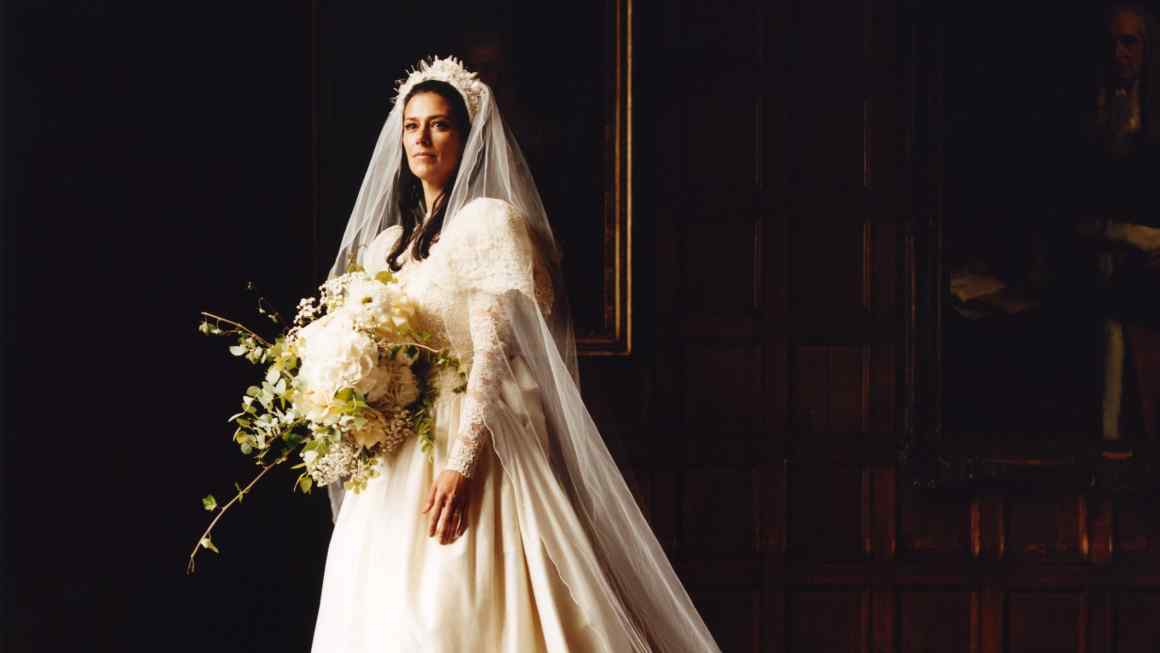
Christine Lagarde, the IMF managing director, dropped in this month and proclaimed its austerity programme an “inspiration” for heavily-indebted eurozone countries.

Latvia and its Baltic neighbours Estonia and Lithuania suffered the world’s steepest economic contractions in 2009 amid swingeing austerity measures. But now they find themselves in the frontline of the debate over austerity versus growth as the best way to tackle the eurozone’s debt problems. Read more

Esther Bintliff

FABRICE COFFRINI/AFP/Getty Images

By Esther Bintliff in London, with contributions from FT writers and editors in Davos.

All times GMT.

18.30: That’s all from us for now folks! But you can stay up to date with all the FT’s coverage of the World Economic Forum 2012 at www.ft.com/davos.  For now, we’ll leave you with a quick recap of some of today’s top news and views:

  • Christine Lagarde, head of the IMF, put it bluntly when she got out her handbag and told a WEF panel: “I’m here with my little bag to collect a bit of money” (see the 11.23 post)
  • At a global economy session, Chris Giles reported that the debate was “more sober than the general mood in Davos of increasing optimism”, with Donald Tsang, chief executive of Hong Kong, saying: “I have never been as scared as now” (see 11.45)
  • Yingluck Shinawatra, Thailand’s first female PM, was studiously vague when asked by Gideon Rachman whether and when her brother Thaksin would be allowed to return to Thailand (see 12.30)
  • In his round-up on Davos 2012, Martin Wolf noted that Mario Draghi has emerged as the hero of the hour (see 13.15), a point confirmed by Lionel Barber, the FT’s editor, in his video interview (15.20)
  • “Doha is dead. Long live the multilateral trading system” – Chris Giles on the message the World Trade Organisation wanted to send from Davos on Saturday (see 17.30)

  Read more