
Saturday May 17 2008
All times are London time

Search Quotes in the FT.com site
FT Logo

May 7, 2008

Harford vs Ariely - final round

The full discussion is here; my final post is here, about climate change. Here’s the guts of it:

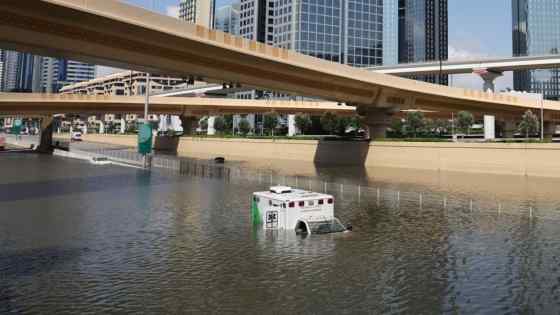
Standard economics has a solution: a carbon tax, or a tradable permit scheme, to raise the cost of emitting carbon. We’d all have an incentive to cut down by driving less and turning down the heating or air conditioning, and also by insulating our homes and finding more efficient cars and fridges. Businesses would also cut back, and would have an incentive to develop new technologies.

Behavioral economics draws attention to different considerations. For example, we’re not as smart as conventional economics assumes, which means that we might fail to notice ways to reduce our energy bills. We might also need to be reminded about what our neighbors are doing: psychologist Robert Cialdini showed that we’re more likely to recycle if we think everyone’s doing it. That may hold true for carbon-saving too. And although we’re reminded of high gas prices every time we fill up, we really need to be reminded of them when we’re buying a new car or a new fridge.

So which approach is right? That’s a strange question. They can both be right, and I think that they both are.

140006642501_mzzzzzzz_ Of course, the economic incentives will work. I don’t think there’s any serious doubt that raising the price of carbon would persuade us to pollute less. The Logic of Life showed that we are sensitive to these simple incentives in the most unexpected situations. For instance, raising the risk of unprotected sex persuaded American teens to have more oral sex instead; and two Australian economists, Joshua Gans and Andrew Leigh, have found that tax incentives can persuade pregnant women to delay labor, and even deter people from dying too quickly. (It’s really true: the death rate in Australia dropped in the week before inheritance tax was due to be abolished, and then sharply rose the week immediately after. A lot of people were clinging on to life to avoid their estates being taxed.) If people will change their date of death or the day they have a baby in response to a tax incentive, I am quite sure that they will be more environmentally friendly, too.

But I am also sure the behavioral insights will produce results. Cass Sunstein and Richard Thaler report one dramatic success: people cut back dramatically if the electricity company gives them an “Ambient Orb” that glows red when they’re using a lot of power. There’s no standard economic theory that explains why that should be; and that is just one example.

Group hug in the end - sorry.

Post a comment

Comment Policy


As a final step before posting the comment, please type the two words you see in the image beloweight numbers in the audio clip; this test is to prevent automated robots from posting comments.


More FT Blogs and Forums

  • Economists' Forum Leading economists and the FT's chief economics commentator, Martin Wolf, debate the big issues

  • Willem Buiter's Maverecon The LSE professor blogs on 'economics, politics, ethics, religion, culture, free and open source software (FOSS), and whatever'

  • Clive Crook's blog The FT's chief Washington commentator blogs about intersection of politics and economics

  • John Gapper's blog FT chief business commentator talks about business, finance, media and technology

  • Gideon Rachman's blog The FT's chief foreign affairs commentator on world issues and his travels

  • Management Blog A forum for the latest thinking about the issues that preoccupy managers around the world

  • FT Alphaville Instant market news and commentary for finance professionals

  • Brussels Blog By our Brussels writers

  • Westminster Blog By our UK Parliament writers

  • Dear Lucy Columnist Lucy Kellaway and readers solve your workplace woes

  • FT Tech Blog Our San Francisco and world correspondents look at the intersection of technology and business