


Monthly Archives: August 2008

Jim Pickard

TV coverage of Miliband this week showed a young, smooth, tall, even handsome man with energy and charisma. There was little sign of humility or backtracking on the idea that he was preparing the ground for a tilt at the top job.

Yesterday he seemed reminiscent of Tony Blair at the peak of his powers, complete with the enormous cheesy grin.

But will the public warm to the former policy wonk who – despite shedding the previous Mr Logic image – is still best known as an intellectual?

I highly recommend a profile by my colleague Gideon Rachman where he interviewed the foreign secretary high in the skies above Afghanistan earlier this year.

Here is one extract…

“Amartya Sen is a brilliant man,” remarks Miliband. “I think his argument that there is a fusion tradition – a liberal tradition that is concerned with social justice – is right. And I admire his work on capabilities, and on freedom as capability.”

Jim Pickard

Treasury officials are NOT working on potential plans for a windfall tax. That’s what I’m being briefed.

Of course that doesn’t mean that Gordon Brown may not bow to pressure in the autumn and put it in the pre-budget report. It could be a vote-winner. Plenty of siren voices are urging such a move (unions, backbenchers, junior ministers, maybe even some cabinet ministers).

But the prime minister is sophisticated enough to know about the downsides. Energy companies can simply put up their prices to compensate for the charge – which would cause even more public anger.

Plus there is the investment issue. Peter Luff, chair of the business select committee, published a report last week which included a call for a (small) tax on profits made through the European emissions trading scheme.

Yesterday he warned that a bigger tax on “excessive profits” would be a disaster, preventing energy companies from putting in new infrastructure investment and storing up a much, much bigger problem 10 years down the line.

Here’s a typical response from business today to newspaper reports that the prime minister is (still) considering a levy:

“Imposing a windfall tax on energy company profits won’t bring down the price of energy bills, so consumers and business will lose out. The tax would be a knee-jerk reaction that risks the UK’s ability to attract essential investment needed to secure and upgrade our future power supplies. Failure to gain this investment will mean consumers are even less likely to see any reduction in their bills as the country would remain in a precarious position over supply.” (Chris Hannant, head of policy at the British Chambers of Commerce)

*

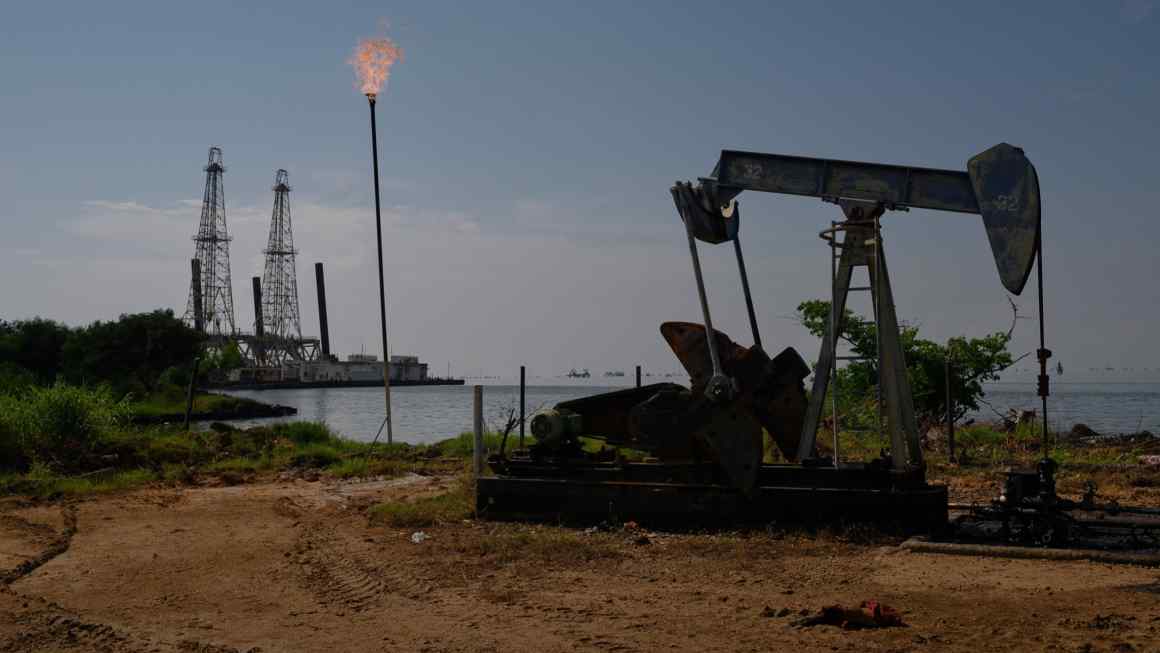
Oil companies already pay high taxes. Maurice Fitzpatrick, head of tax at Grant Thornton, says the North Sea oil tax works out at about 50-70 per cent (it’s paid as petroleum revenue tax AND corporation tax).

The estimated £15bn of tax from North Sea oil this year is about a quarter of the entire UK corporation tax-take – despite energy accounting for only about 3 per cent of GDP.

Westminster blog

on the UK political scene

About this blog Blog guide
Jim Pickard and Kiran Stacey, FT Westminster correspondents, share the latest news and analysis on the UK's political scene.

Follow the latest news on the UK coalition government.

To comment, please register for free with FT.com and read our policy on submitting comments.

All posts are published in UK time.

Contact the Westminster blog team: Jim Pickard, Kiran Stacey, Nicholas Timmins, Elizabeth Rigby and Helen Warrell.

The illustrations of Jim and Kiran are by Nick Hardcastle.

See the full list of FT blogs.

The authors

Jim Pickard joined the lobby team in January 2008. He has been at the Financial Times since 1999 as a regional correspondent, assistant UK news editor and property correspondent.

Kiran Stacey is an FT political correspondent, having joined the lobby in 2011. He started at the FT as a graduate trainee in 2008, working on desks including UK companies and US equity markets before taking over the FT's Energy Source blog.

Contributors

Elizabeth Rigby, the FT's chief political correspondent, joined the lobby team in September 2010. Elizabeth has worked at the FT for more than a decade and was most recently its consumer industries editor.

Helen Warrell is the FT's UK reporter, covering home affairs, crime and policing. She joined the FT in 2008 and has spent time as a reporter in the Brussels bureau and more recently, editing the paper's Asia coverage on the world news desk.

Archive

« Jul Sep »August 2008
M T W T F S S
 123
45678910
11121314151617
18192021222324
25262728293031