

Bankers: why are you hated? (live coverage of the Treasury committee)

February 11, 2009 3:53pm

The second session of MPs versus bankers has kicked off. This time it’s current chief executives facing the Treasury select committee.

Opening question from John McFall, chairman: Why do the general public hate you?

Cue long-winded non-answers from several bank chiefs.

We’ve now moved on to Stephen Hester of RBS and the question of who decides the bank’s bonuses. (RBS has controversially considered paying up to £1bn of bonuses, some of which are under contractual obligation).

Hester says: “I believe that falls to the RBS board but I could not imagine the RBS board doing something over the violent opposition of the majority of its shareholders and we have one shareholder which is majority so we are looking very carefully with UKFI (a wing of the Treasury) to get the right solution.”

Michael Fallon, deputy chair, asks: “I thought the relationship was arms-length?”

Hester: “I think all companies try hard not to do things that shareholders would oppose and so….we are trying to make sure UKFI are on board with what we do.”

The RBS ceo has just claimed that he shares public unhappiness about undeserved rewards for bankers: “I one hundred per cent agree with the public sentiment and agree it myself in terms of unjustified rewards.”

But - alas - he cannot stop the RBS bonuses which must be paid. “From my position what we have to do is obey the law, we’re in a position of having to obey the law rather than make it.”

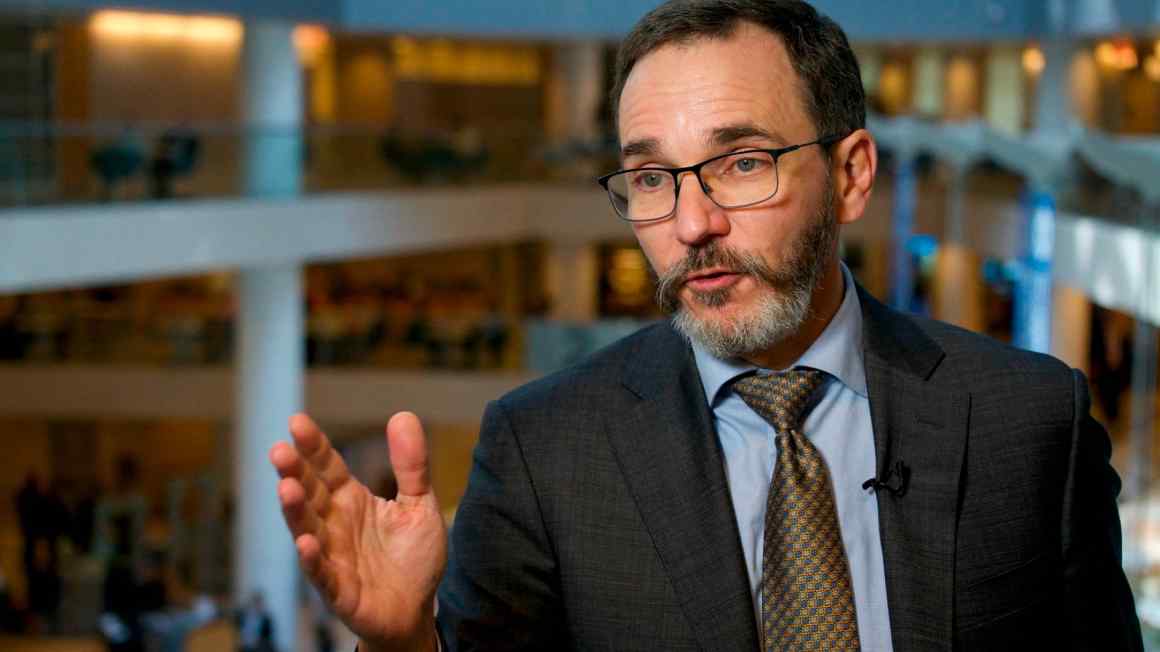
John Varley of Barclays (photographed above arriving at the committee) admits that not all is well in the banking world’s compensation structure. “It is absolutely right that we should listen, that we should understand the views of the world about this subject and should be prepared to respond.”

Then again, he says, that shouldn’t apply to branch staff and other more lowly-paid. Nor is it clear that he definitely wants restrictions on more senior staff. “For senior executives, as their compensation grows, the ratio of shares rises very significantly”. (To me this sounds like a defence of the status quo).

Hester really is a pro: Now he’s reassuring MPs that he takes no joy from handing out bonuses. He really does want to clean up the industry’s excessive largesse: “I do think banking pay in parts of the industry is way too high and needs to come down - and I intend us to lead that process.”

Now we’re on risk management systems.

Hester believes that RBS’s systems need “a lot of change”. He says that can’t take place in a couple of weeks.

Eric Daniels, ceo of Lloyds Banking Group (which now includes HBOS) admits that: “We think the HBOS acquisition will test our systems…we’re going to have to put the Lloyds systems into HBOs and that will be a challenge for some time to come.” He also admits that Lloyds would not have needed state equity without the HBOS takeover.

Fallon wants to know when taxpayers will get their money back.

For RBS, the timeframe is 3 to 5 years, says Hester - who believes that over that time the public could make a profit. Lloyds Banking Group has no timeframe, Daniels admits….although he “would certainly hope” that it would not take longer than 5 years.

Now an MP is asking Hester about the international scope of the RBS business (there has been criticism in some quarters that the bank should receive state help when most of its lending is abroad).

“The only part of our business which we are extending lending is the UK. That process will continue and accelerate,” he says. But - he cautions - we should be careful about a retreat into isolationism.

“We all have to work together, it is a cliche but it is true.”

It’s now coming up to 4pm and Hester is insisting that nationalisation of RBS would be a mistake. It would not be in the public interest, he says. “We hope we can stay strong enough for it not to happen.”

We aren’t hearing much from the men from Abbey or HSBC. Perhaps unsurprisingly.

John Varley  of Barclays has just been asked who was to blame for what went wrong.  The answer is so slick that Varley could - if things go wrong - become an excellent politician.

Many groups were to blame, he suggests, including central banks. If one had to look at various sectors and institutions then yes, the single biggest contribution to the crunch would be banks, he concedes. But that doesn’t mean banks should take the “majority” of the flak.