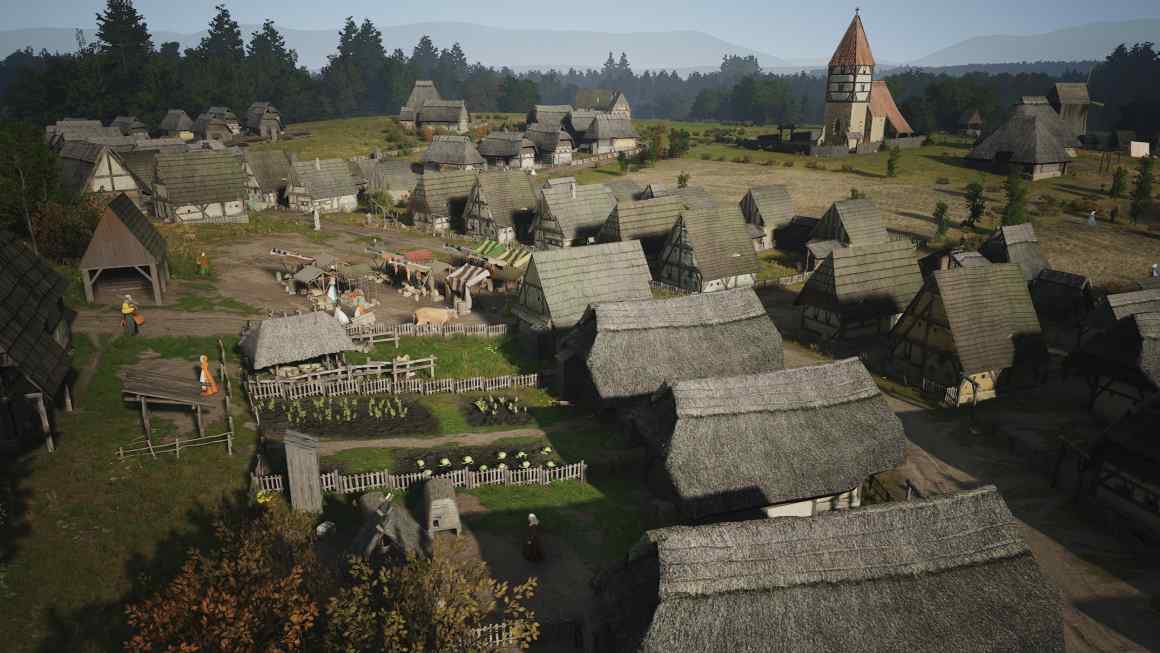


Labour love to talk about the environment and housing – and the ecotown project combines both in a single grandiose project.
Even now, with the property industry in meltdown, no minister will admit that Gordon Brown’s cherished idea is heading for the grave.
I wrote this morning that a report by the DCLG itself admits that several of the projects would need massive public subsidies (tens of millions of pounds) to go ahead. On others, the maths is uncertain. Only three of the last eight (from 57 proposals and a shortlist of 15) are deemed to be definitely viable.
A flak from DCLG rang this morning to point out that I’d ignored another three schemes which weren’t on the shortlist but have been added to the list. Apologies, the relevant sentence was cut from the story by a sub-editor.
In fact the reality could be even worse than the government believes.
Later today a helpful reader pointed me to a line in the report which shows that officials are still making over-ambitious assumptions.
(on page 13): “The department’s advisers have used market assumptions in the base case that could be viewed as optimistic, in that the assessment has assumed a relatively strong recovery in house prices to (pre-2007 levels) by 2011. This optimism has been tempered by the use of a low 2.5 per cent per annum average long-term real estate price inflation assumption.”
A gentle word of advice. The idea that prices will return to their boom levels within two years is not optimistic: it’s outlandish.


Jim Pickard
Kiran Stacey