Armchair election: The Jane Austen part

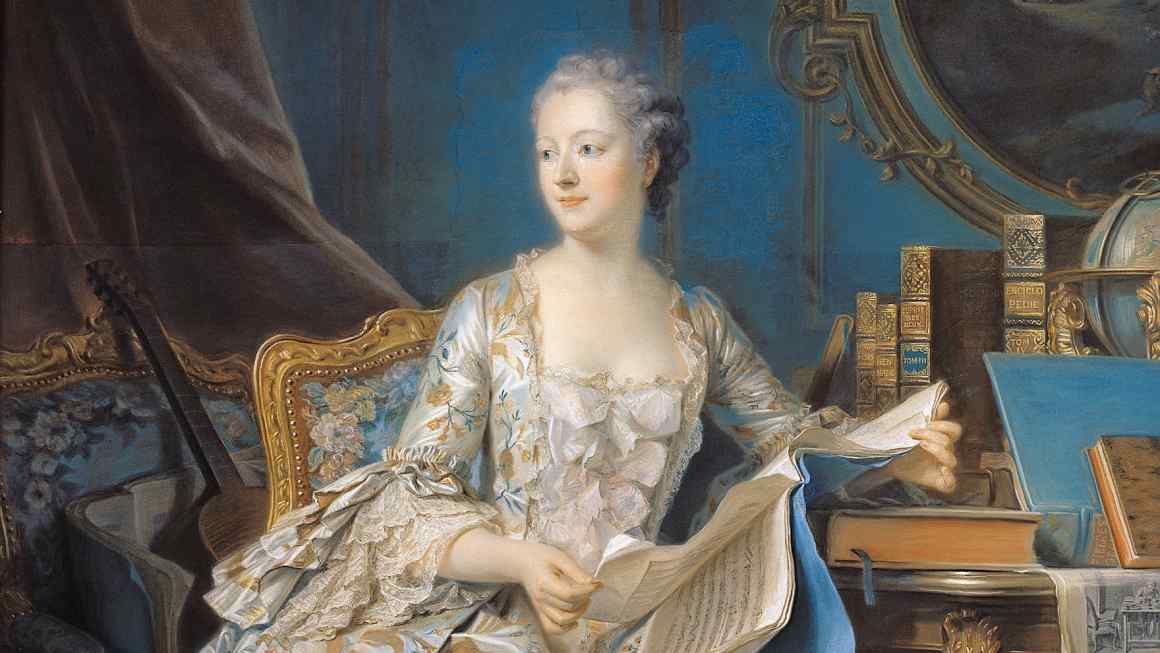
So the election has left us in the middle section of a Jane Austen novel. Gruff Gordon and Dashing Dave are competing for the affections of Nubile Nick, a comely young thing, sadly living in somewhat reduced circumstances. Much of his estate is now entailed but by gosh he’s full of brio. And we don’t yet know if Nick is the “consent and supply” type.

But instead of secret billets-doux and private meetings, we are seeing the negotiations played out in public with all emotion laid bare rather than remaining satisfyingly buttoned-up. Of course if this were an Austen romance, we know the Lib Dem leader would end up choosing the gruff stand-offish suitor, having been led a merry and disappointing dance by the more polished Conservative leader.

Dashing Dave seems to promise so much but his pitch to Mr Clegg is a low-ball offer which would ensnare him in a soon-to-be unpopular government without offering him the electoral reform that is his true heart’s desire. Furthermore, we sense that the rest of Dave’s family do not approve of the match. Writing on the Spectator’s Coffee House blog Fraser Nelson notes that Mr Cameron is facing trouble ahead.

Most Conservatives will wake up today judging the Cameron campaign to have failed. In the view of many, he will have failed to honour his “change to win” promise: they all changed, as he asked, but he didn’t win. There will be a price to pay, and perhaps one of the heads around Cameron will have to roll to assuage the discontent.

Nelson says Tory MPs could choose an emergency leader of their backbench 1922 Committee to make sure Mr Cameron does not sell them out by doing a deal on electoral reform. Incidentally Nelson has tweeted that if it came to a deal on electoral reform “The Spectator could not support that”. Crikey, I had no idea the Speccy had such a significant constitutional role, although I’ll have to check my textbooks to see if it has a full veto or just the right to counsel and advise.

Dashing Dave’s offer of an all-party group on electoral reform is patently inadequate to win over such a desirable and sensible a prize as Nick, but sometimes these relationships are built by steps and these early misunderstandings can be rectified later. If the early meetings go well, who knows what simmering feelings may be unleashed.

By contrast, Gruff Gordon has made an offer that is patently earnest. True he came rather late to declaring his feeling for reform but now his passion is unrestrained. But who is the suspicious Lord M that seems to determine his every move?

The next few days will doubtless show more twists and turns. Will Dave be exposed as a cynical seducer; with Gordon’s devotion be seen as more a form of self-love? Will Nick ever come to understand his true feelings or could he – like no Austen heroine- walk away from both of them?