
The politics of negative GDP growth

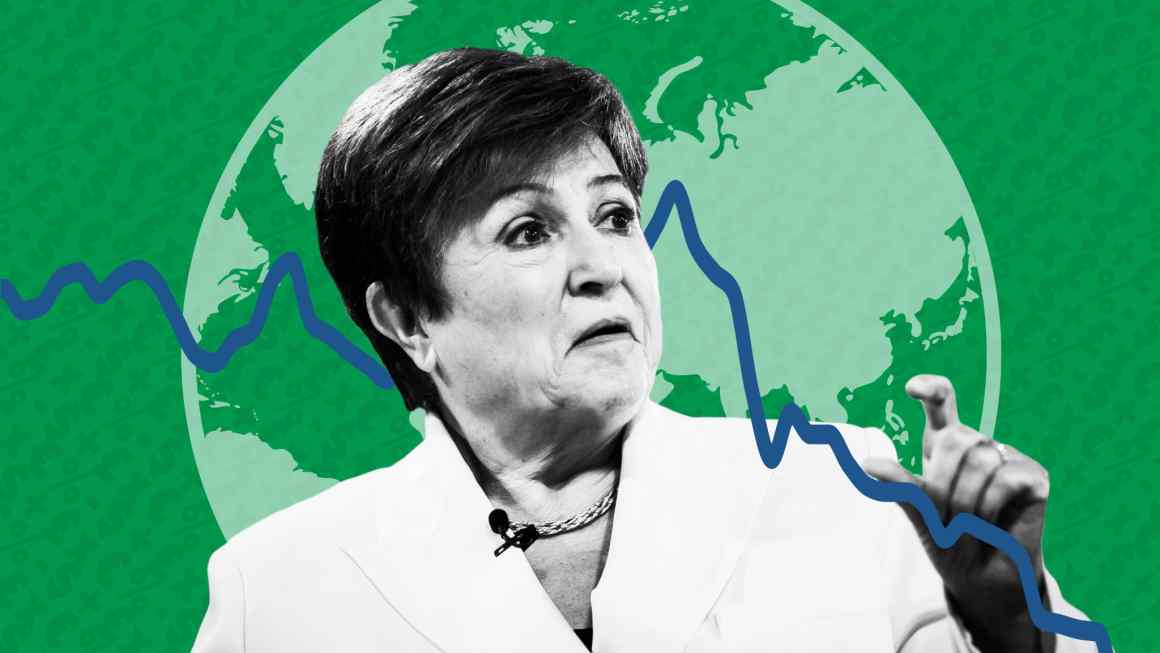
Economic activity in Britain contracted unexpectedly in the fourth quarter of 2010 – partly as a result of freezing weather – according to preliminary figures that create a fresh headache for the coalition government.

This is in contrast to the 0.5 per cent increase that was the average forecast of a poll of economists conducted by Thomson Reuters. The economy expanded by 1.2 per cent and 0.7 per cent in the second and third quarters of the year respectively

The Office of National Statistics, which provides the data, said that it was “clearly affected by the extremely bad weather in December last year.” Without this the picture would have been flat. Hotels, restaurants and retailers were all hard hit by the freezing conditions, a fact which has depressed the figures further.

Four political points to make:

1] The least subtle point is that the coalition will now be terrified about the threat of a double-dip recession, which Labour has warned about for months as the potential consequence of the cuts programme. The definition of a recession is two quarters of negative growth in succession – making the next set of figures in April a crucial moment for the government. If the economy shrinks in January to March it could give many ministers cold feet about the scale and pace of spending reductions.

They don’t include George Osborne, however. The chancellor told the BBC this morning that there would be no turning back from last summer’s Budget, which set out steep cuts to public spending. “We’re not going to be blown off course by the bad weather,” he said.

2] How will Ed Balls deal with the figures? As James Forsyth points out at the Spectator, should the new shadow chancellor now harden his warnings about the dangers of a double-dip recession? Or would this play into the idea that Balls is somehow wishing for the economy to deteroriate simply to be proved right?

This is an impression that he does need to dispel. (Within the coalition there already jokes being made about the shadow chancellor being a ‘growth denier’.) As of 10.49am – 80 minutes after the data came out – there was no obvious reaction from Labour; perhaps in an attempt to avoid accusations of kneejerk criticism.

3] Balls – and the government – are both aware of another twist to the figures. This is that the Q4 2010 data was so bad that, counter-intuitively, it could flatter the data for Q1 2011 – to which it will be directly compared. Because the last quarter was hit by a one-off event (in this case bad weather) that may make it less likely that we will see two bad quarters in a row.

Where this theory could come unstuck is if tonight’s headlines create more concern about the economy – prompting companies to retrench/stop hiring/brace for worse to come. And of course the impact of the January rise in VAT could also drag the figure downwards.

4] The prospects for interest rates now become even less certain. The Bank of England’s monetary policy committee will now be torn between rising inflation (due in part to one-off factors) and a contracting economy (due in part to one-off bad weather). The argument within the MPC will be fascinating to observe.

UPDATE: Andrew Tyrie, chair of the Treasury select committee, told the BBC at lunchtime:

“It will make policy making difficult for the Monetary Policy Committee at the Bank of England… it will be interesting to see what their minutes – which are published tomorrow – will say with respect to it, I think that the enthusiasm for a rise in interest rates is going to wane for a little while.”