On Gus O’Donnell’s advice to Brown against hacking judicial review

The Guardian yesterday ran a fascinating story on their front page about how Sir Gus O’Donnell, head of the civil service, had “blocked” an attempt by Gordon Brown to hold a judicial review into phone hacking. We followed up the story on ft.com this morning.

Here are a few extra details which did not make the final cut and may be of interest:

1] Gordon Brown’s attempts to get a judicial review into News International took place around July 2009 and lasted for a fortnight. (Therefore it was before the Sun switched from Labour to the Tories at autumn conference). Several Labour aides were ordered to assemble evidence swiftly which could justify such a provocative action.  

2] The then prime minister was furious after the Guardian reported that NI had paid £1m to settle outstanding legal cases which could have exposed phone hacking.

3] He was “like a raging bull“, putting “massive pressure” on other ministers to find a way to conduct the inquiry, which he thought would be “lethal for the Tories“, according to one former minister.

4] Lord Mandelson, deputy prime minister, was equally “exercised“. Both men held meetings with Alan Rusbridger, editor of the Guardian, over how the full extent of the scandal could be exposed.

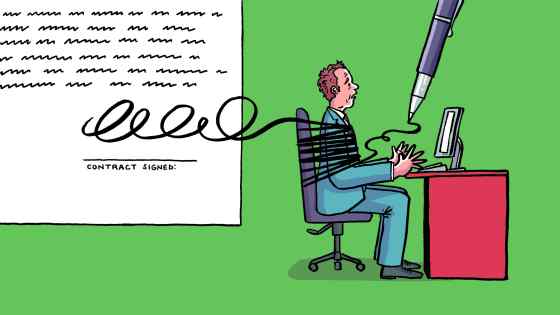
5] Sir Gus O’Donnell did not “block” the decision, according to one Whitehall source who says it is “absurd” to suggest that any civil servant can block a prime minister except on legal grounds. Instead he merely offered his advice; that it was “clumsy” timing – only one year from an election – and would look like “blatant politicking“.

6] Other civil servants were also resistant to the move. Alan Johnson, then Home Secretary, found that senior mandarins in his department did not think a judicial review was appropriate.

7] Brown was “morally indignant” about the behaviour and thought it was “outrageous” that Andy Coulson, former editor of News of the World, was now working as the Tories’ head of communications.

8] Some Labour figures think that the review, if it had gone ahead, could have changed the course of the general election. (I don’t particularly share this view).