Backbench committee asked to lift epetition threshold by ministers

Ministers have proposed increasing the threshold by which e-petitions have a chance of generating a Commons debate amid a flurry of high-profile campaigns.

The e-petition system was created last year by David Cameron to make politics more accessible to the public. There is now a common public assumption that any e-petition with over 100,000 signatures will generate a Parliamentary debate – like the one taking place right now over fuel duty.

In reality, however, a petition that receives more that 100,000 signatures is sent to the Commons’ backbench committee of MPs, which then decides whether or not to hold a debate on the issue.  But the committee can also schedule debates on any issue proposed by other MPs – with or without petitions.

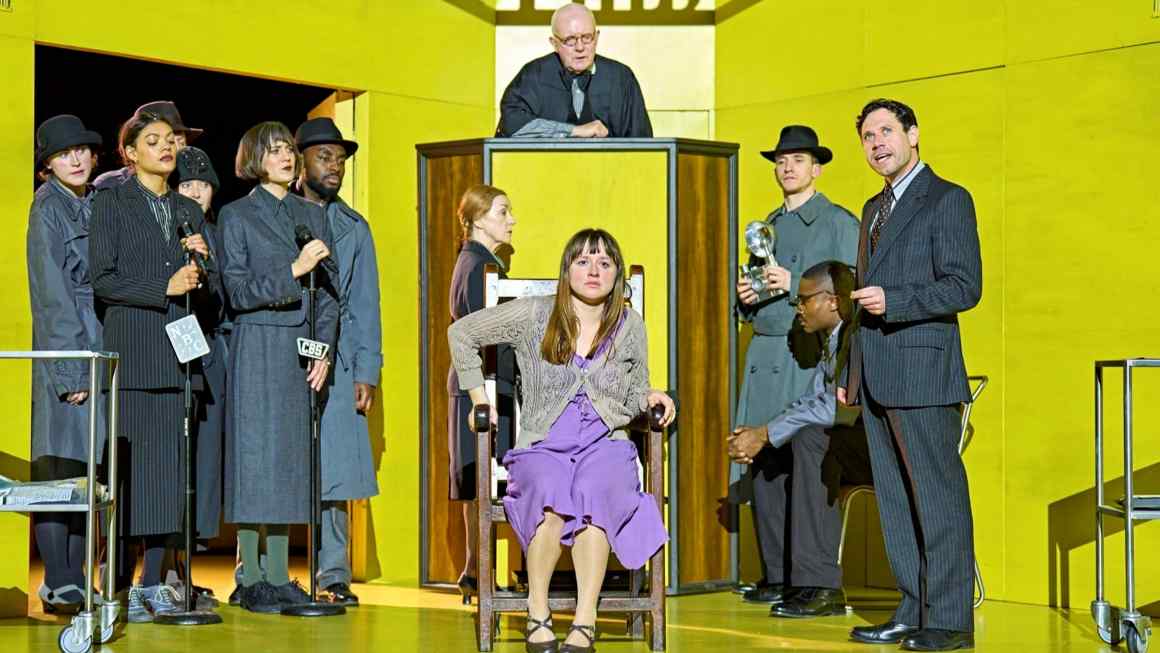
Its two most high-profile debates so far have prompted big rebellions for Mr Cameron; one on circus animals (pictured) and another on Britain’s EU membership. Neither was prompted by a petition of more than 100,000. There will be a debate next week on job losses at BAE Systems for which there was no epetition at all.

Yet with more and more epetitions hitting the magic number – including a recent anti-migration one – the backbench committee is struggling to find enough time in the Parliamentary calendar to fit them in. (It is limited to 35 days of which only 27 are in the main chamber.)

Ministers have suggested lifting the threshold. But the committee would rather shift more debates to the separate Westminster Hall.

“The government introduced epetitions without any consultation and without thinking it through,” says Natascha Engel, committee chair. “They have passed on the consequences to the backbench committee.”

There is a separate issue about whether the backbench debates are serving their purpose if party whips get involved – for example the Tories imposing a three-line whip over the EU referendum debate: that is an argument for another day.

UPDATE: PoliticsHome has been fishing in the same waters.