

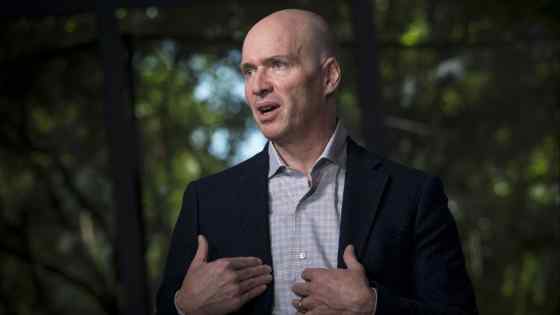
In trying to get the House of Lords reformed Nick Clegg has always been aware of the ominous lesson of history; that others have tried for a century and failed.
The only real example of Lords reform was the removal of (most) hereditary peers soon after the New Labour election of 1997 – and this was by Tony Blair with an enormous majority.
For Clegg to try to set up a mostly-elected chamber was always going to be difficult, even with supposed cross-party support. The Tory leadership was signed up to the programme; its backbenchers were obstinately opposed – leading to a major showdown in July and a “pause” in the plans.
Today the news is breaking that senior ministers could announce as early as next week that they are not pressing ahead with a Lords reform bill in the next legislative session. All sides had been braced for months of trench warfare in both houses over the issue, with Tory MPs adamant that the changes would damage the primacy of the Commons and were an irrelevance during the deepest recession for decades.
Ministers will instead declare that they will stuff the legislative programme for 2012/13 with all sorts of economic measures instead.
How much of a blow this is for Clegg depends now on what happens to separate plans for constituency boundary reforms. The Lib Dems have long seen these reforms – which will have a more positive impact on the Tories than other parties – as part of a quid pro quo for supporting Lords reform*.
If the coalition abandons boundary changes, the result will be seen as a score draw. If the Tories insist on pressing ahead with the plan (which cuts the number of MPs by 10 per cent to 600) the Lib Dems will be up in arms.
Those changes would mean an estimated loss of 15 seats for the Tories, 18 for Labour and 14 for Lib Dems – a clearly disproportionate hit on the Libs. Some Tory MPs believe that if Clegg and other LibDem ministers vote against the boundary changes they would have to resign because these are part of the coalition agreement. Libs will argue, however, that the Tories have already breached the agreement over Lords reform.
Lib Dems have been clinging on to the hope that the Lords legislation could be revived in the autumn. Even some of the fiercest critics of the bill hope that some of it can be salvaged – for example a reduction in Lords membership and a ban on convicted criminals ever sitting on the red benches.
The Guardian is suggesting that it may be Clegg who announces the U-turn next week rather than Cameron.
Sadiq Khan, justice secretary, blamed the Tories for “tooth-and-nail” opposition to the reforms.
“Now Nick Clegg may end up with nothing, ruthlessly exposing his naivety,” said the Labour MP. “Millions of people struggling through the tough economic times will question his political priorities.”
One question now is what could fill the hole in the legislative calendar; one candidate could be a bill of David Willetts for higher education, which was delayed in the spring.
Attempts to find a compromise had been placed in the hands of Oliver Letwin and Ed Llewellyn by the prime minister; but solutions such as replacing the last 90-odd hereditary peers with elected senators were not welcomed by Tory MPs.
* Tories argue that this is disingenuous and that the real deal over electoral reform was allowing a vote on AV (which the Lib Dems lost last year) for boundary reforms. Their argument is that Lords was never part of the pact.


Jim Pickard
Kiran Stacey