



The challenge for Nick Boles is turning his vision into reality

Sometimes words change the world and sometimes they do not.

For now, Nick Boles’ intervention over planning is a statement of long-term intent rather than a change in policy.

Inevitably, however, the new planning minister has caused a furore after claiming that the amount of land built on should increase from 9 per cent today to 12 per cent in the future: over a 20-year timeframe.

He also threw in a criticism of “nimbies” who opposed new homes – while (for good measure) accusing builders of making “pig ugly” homes.

Maybe it is the language from tonight’s Newsnight interview that created the controversy. After all, Nick Clegg said roughly the same thing last week without any negative reaction to speak of. (He called for an array of new “garden cities”.)

Yet Boles is worth listening to. The Newsnight interview was ahead of a speech the minister is giving on Thursday. I’ve seen a copy and it makes fascinating reading.

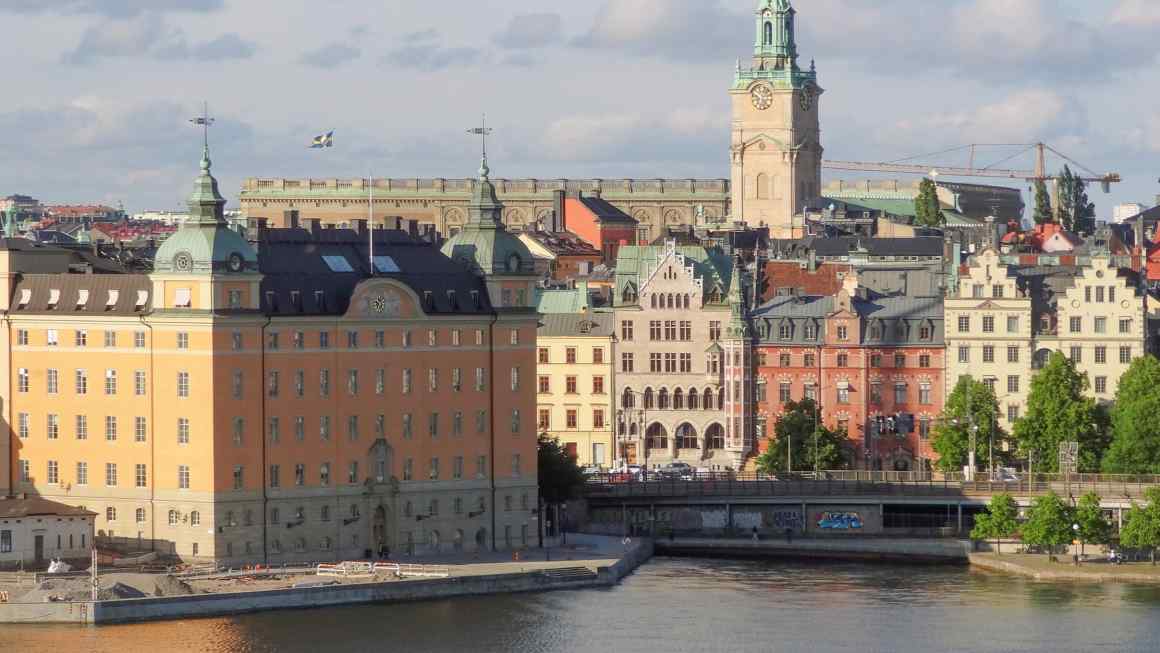
The main thrust of the argument is that it is not only natural landscape that can be beautiful, but also the built environment. He cites Edinburgh as an excellent example of this; rightly. (“Who can resist the melancholy charm of a walk in the rain around Charlotte Square and through Ainslie Place?”)

He also mentions Stamford, a Lincolnshire town. And Letchworth, where planners “resisted the temptation to cram as many houses as possible” on to the available land.

Like Clegg, he goes on to cite the Garden City movement as an inspiration for a new generation of towns.

All of this is commendable, if Boles had any levers to make it happen. But the failure of Labour to oversee the creation of a new generation of “ecotowns” illustrates that the gap between rhetoric and reality can often be painfully wide.

Boles himself complains that developers have in recent decades simply “bolted” new housing estates on to existing towns and villages: “Many of them are pig-ugly,” he complains.

The question is how the coalition can deliver the minister’s vision: having abandoned Labour’s top-down regional targets, the government has created incentives for development (such as the “New Homes Bonus”) but does not have any clear mechanism for creating the new towns that it wants.

That will be the next priority for the new planning minister: delivery to match the vision. Otherwise, Boles will simply replicate the “vicious circle” of poor-quality development that has blighted Britain for years.